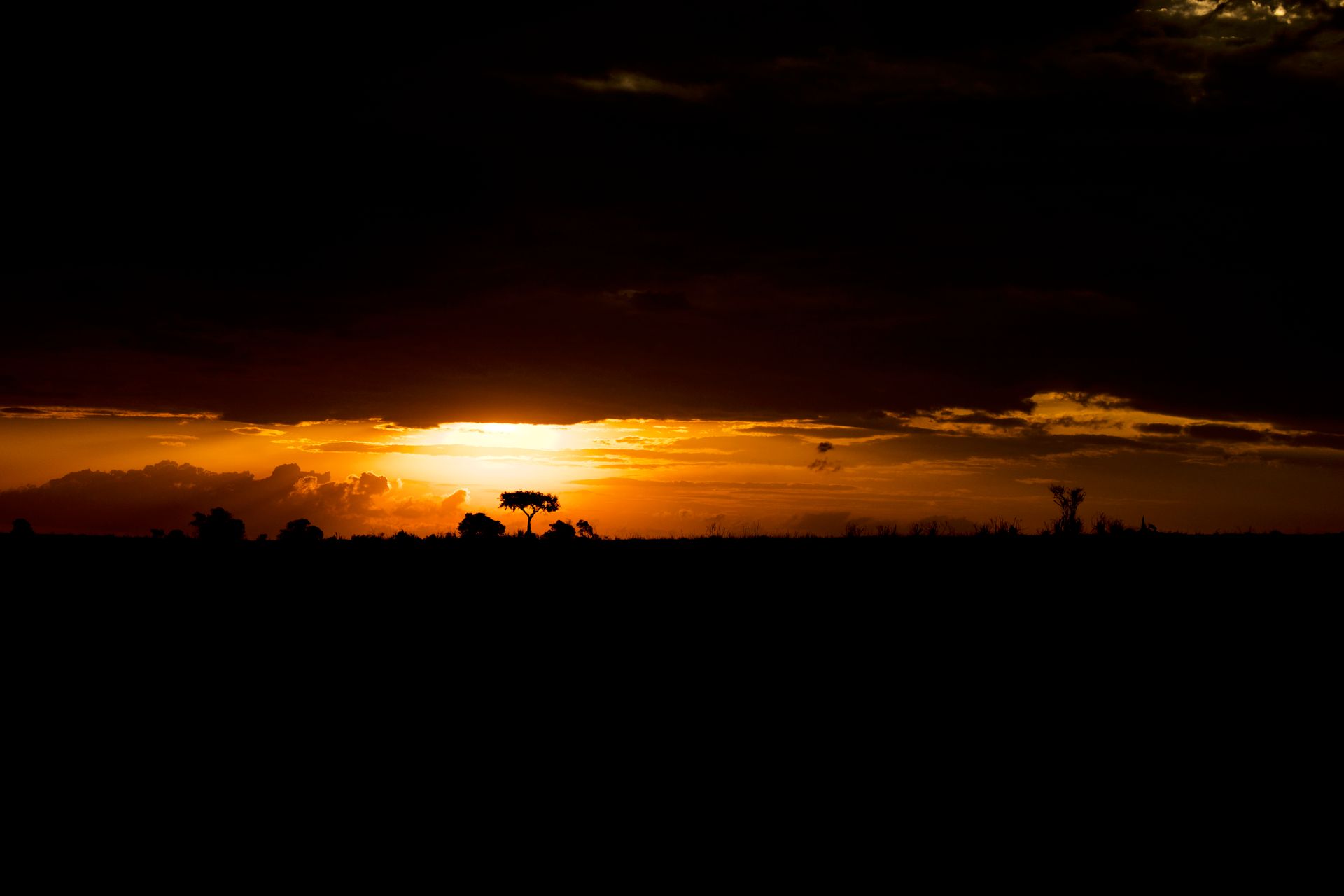
Complete Guide to Wilpattu National Park Safaris
Everything you need to know about Sri Lanka's largest national park — from the unique villu ecosystem to the best time for leopard sightings.
The Unique Villu Ecosystem
Wilpattu is named after its villus — natural, sand-rimmed water basins that fill with rainwater and form shallow lakes. These villus are the lifeblood of the park, attracting wildlife from far and wide, especially during the dry season. With over 60+ natural lakes, they create a landscape found nowhere else in Sri Lanka.
Unlike other parks, the villus provide open clearings where animals are easily spotted against the backdrop of water and white sand — making Wilpattu a photographer's paradise.
Flora
The park features diverse vegetation zones — from dense monsoon forest to coastal scrub, grasslands, and riverine forest. Teak, palu, and weera trees dominate, providing shade and food for herbivores.
Why Less Crowded Than Yala
Wilpattu receives a fraction of Yala's visitors, meaning you'll often have wildlife sightings entirely to yourself. The park's vast size (1,317 km²) spreads visitors across a huge area, preserving a true wilderness feel.
Map & Location
Hunuwilagama Entrance Gate
Wilpattu National Park Gate, Puttalam – Anuradhapura Road, Sri Lanka
Park Hours
6:00 AM – 6:00 PM Daily
Booking desk: 5:30 AM – 7:00 PM Daily
Ready for your adventure?
Book your custom safari jeep today and let our expert trackers show you the wild heart of Sri Lanka.
Book Your Safari on WhatsApp